Evaluating Technologies for Grid Modernization
GridTechPedia provides structured assessments of advanced grid solutions spanning hardware, software, and system-level innovations. By organizing technical characteristics and commercial readiness information within a consistent evaluation framework, it serves as a neutral reference for informed decision-making.
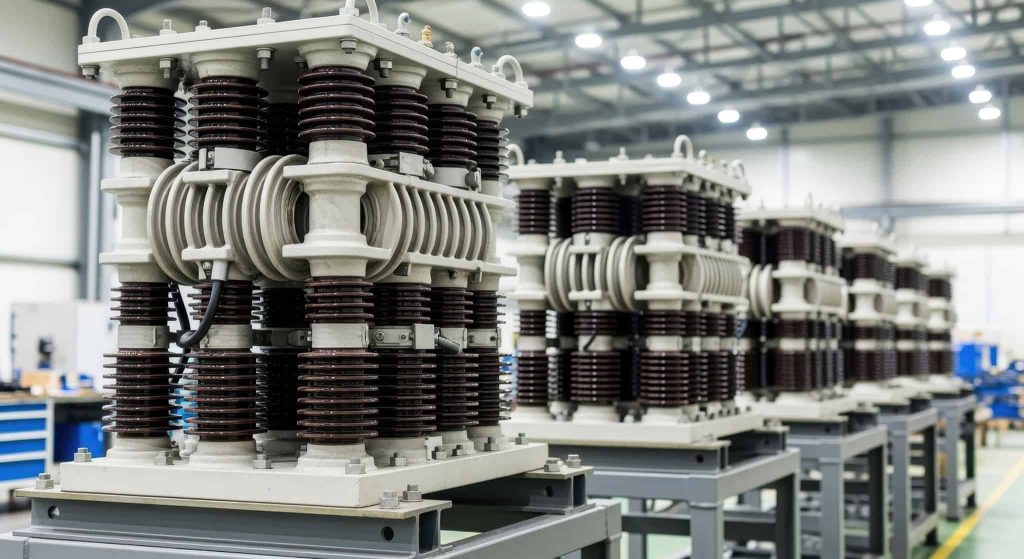
High-Voltage Direct Current (HVDC) transmits large amounts of electricity efficiently over long distances and between asynchronous grids. It reduces transmission losses, increases transfer capacity, and supports integration of remote energy resources.
Transmission > Substation
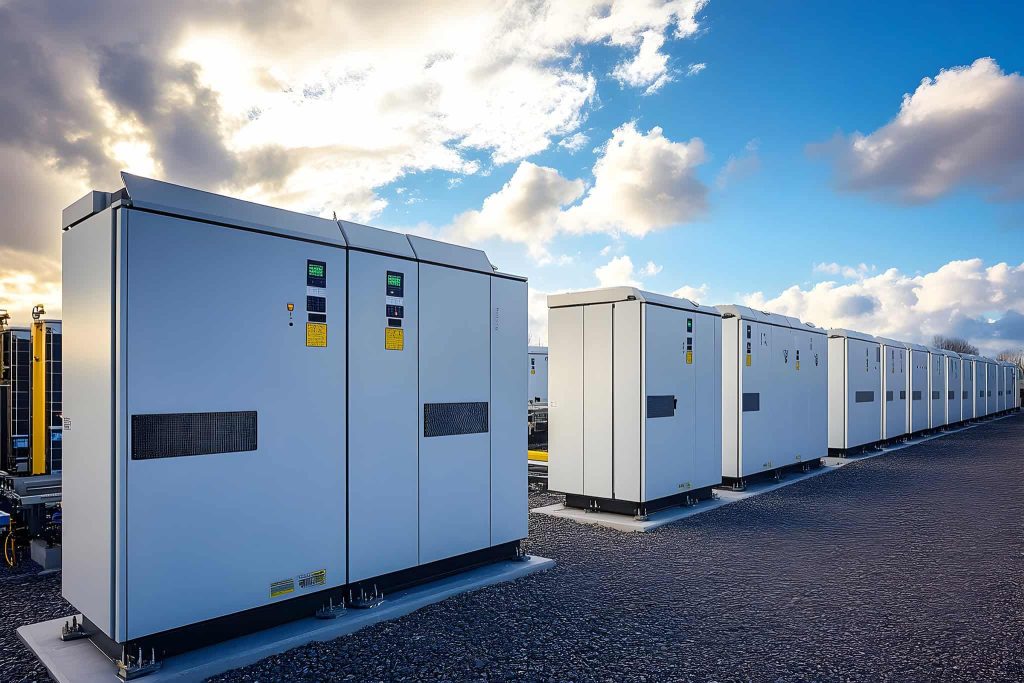
All-liquid redox flow batteries store energy in liquid electrolytes circulated through a cell stack. Their independently scalable power and energy capacity supports flexible, long-duration energy storage for grid reliability and load management.
Generation
Ambient Adjusted Ratings (AAR) use forecasted air temperature and solar heating conditions to calculate transmission line capacity. They provide more accurate ratings than static methods, increasing available capacity without requiring new field equipment.
Transmission > Corridor
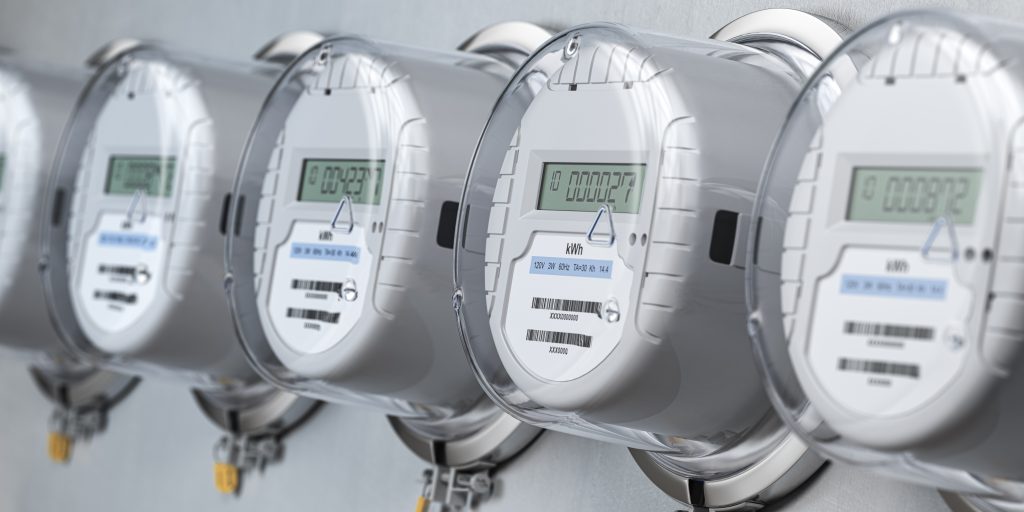
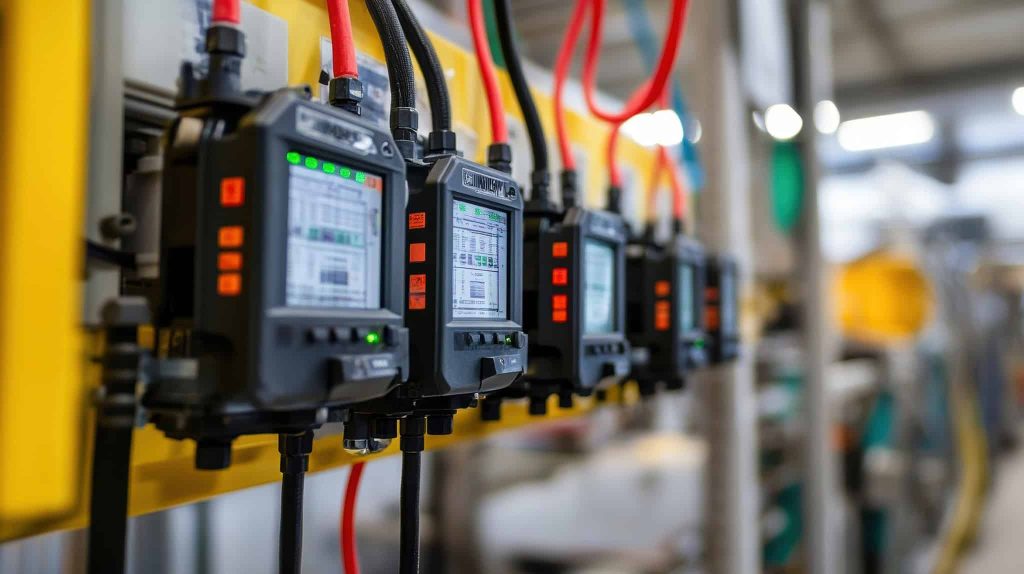
AMI 2.0 uses advanced smart meters to collect real-time energy consumption data from end users and securely transmit it to utilities, improving grid visibility, operational decision-making, and long‑term system planning.
Customer > Panel/Meter Socket
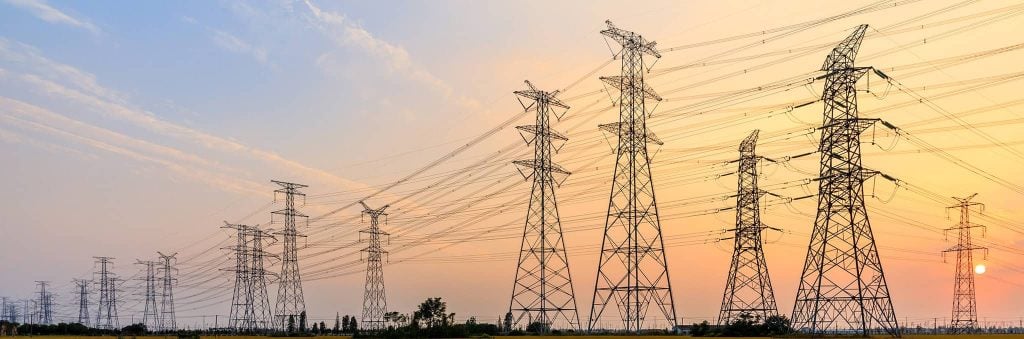
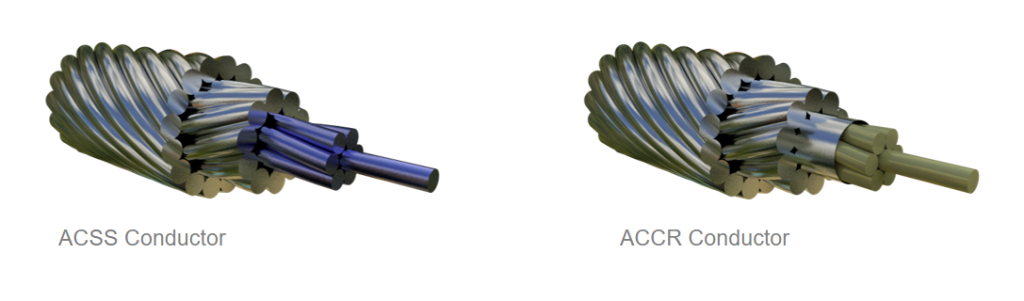
Composite Core Conductors use high‑strength composite materials instead of steel to support overhead lines, enabling higher power transfer, lower line losses, and reduced sag at elevated temperatures.
Transmission > Corridor
Direct current (DC) microgrids are localized electric power systems that distribute electricity using direct current rather than the traditional alternating current (AC).
Customer
Distributed Flexible AC Transmission Systems (D-FACTS) are modular devices installed on transmission lines to dynamically control power flows. They reduce congestion, improve grid flexibility, and increase utilization of existing transmission infrastructure.
Transmission > Corridor
Drones for maintenance inspections use uncrewed aerial systems (UAS) equipped with cameras and sensors to inspect transmission and distribution infrastructure. They improve worker safety, reduce inspection costs, and support faster, data-driven asset management.
Operational Maintenance
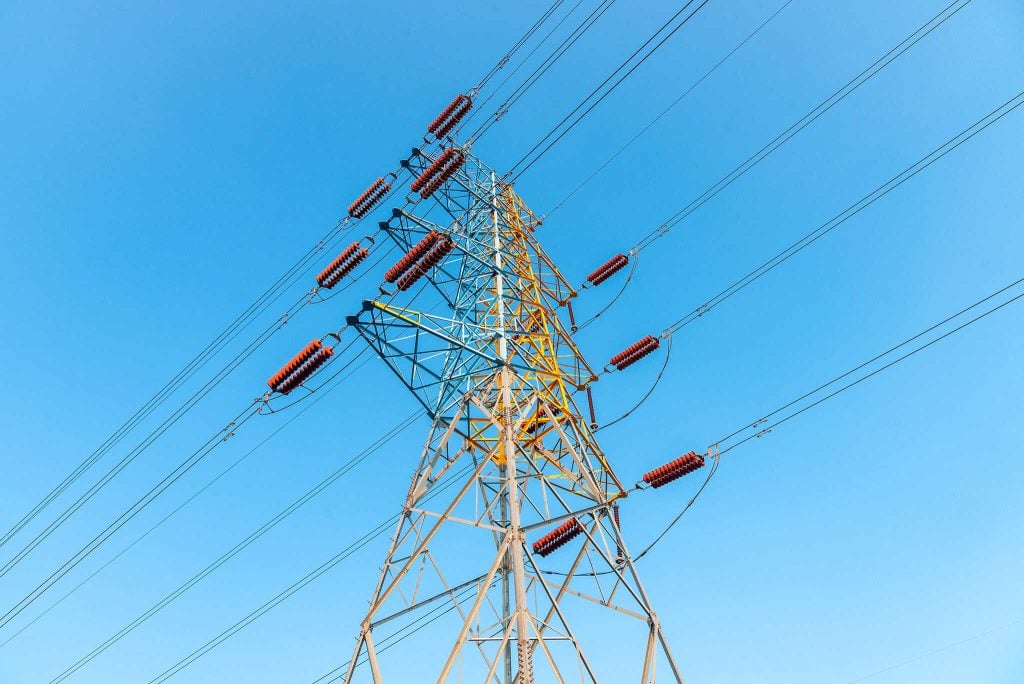
Dynamic Line Rating (DLR) is a technology that enables real-time assessment of power transmission lines’ ampacity, considering varying weather conditions to enhance grid reliability, efficiency, and stability.
Transmission > Corridor
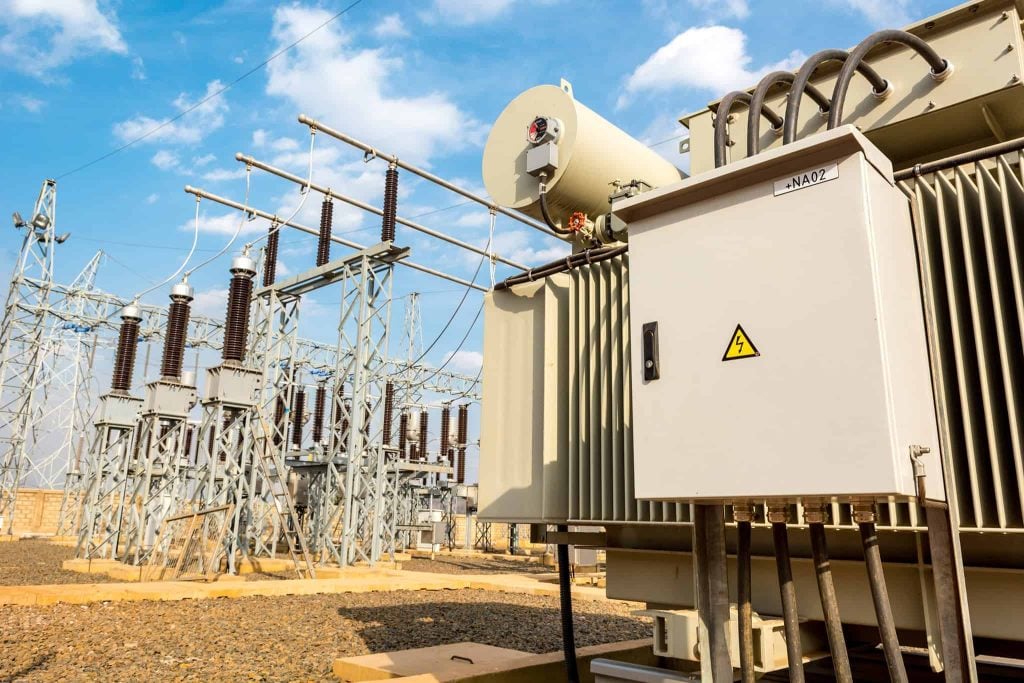
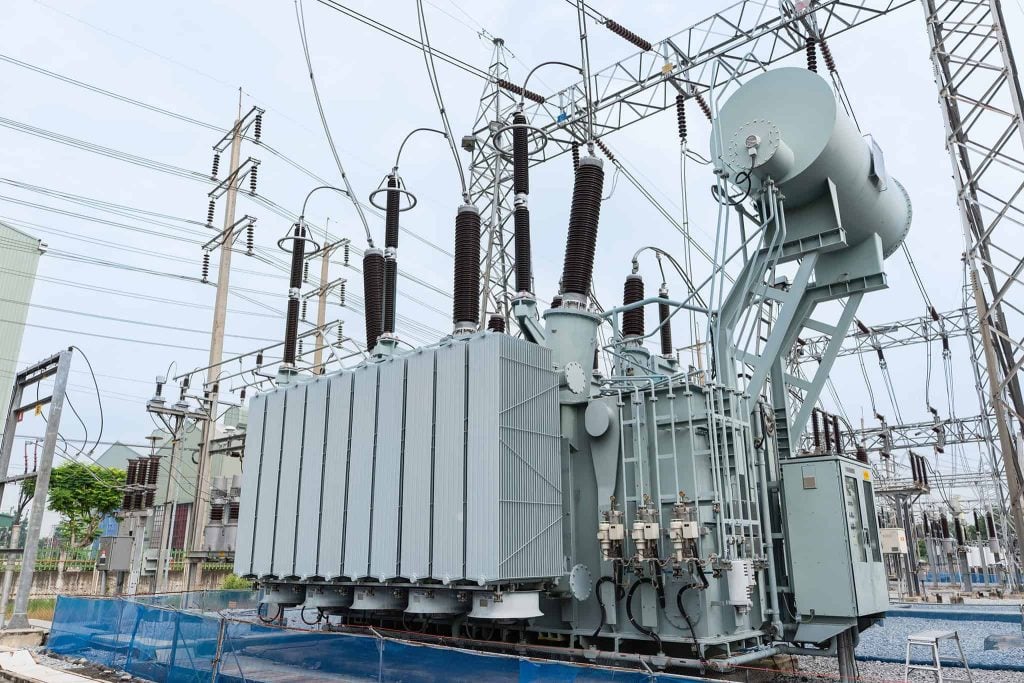
Dynamic Transformer Rating (DTR) uses real-time thermal and operating conditions to determine a transformer’s available loading capacity. It can increase utilization of existing transformers while helping operators manage asset health and reduce overload risk.
Transmission > Substation
Grid‑forming inverters autonomously establish and regulate grid voltage and frequency, providing synthetic inertia and stability support. Unlike grid‑following inverters, they can operate without an existing grid reference, enhancing reliability in systems with high levels of variable renewable generation.
Transmission > Substation
High Temperature Superconductors (HTS) are materials that achieve superconductivity at liquid-nitrogen temperatures, enabling compact, high-power equipment for modern electric grid applications.
Transmission > Corridor
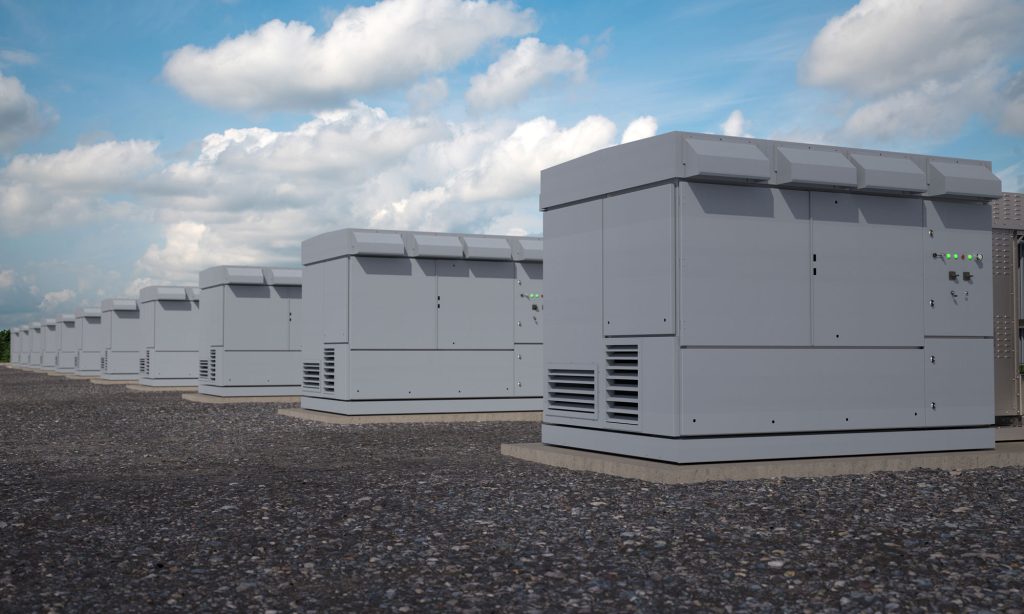
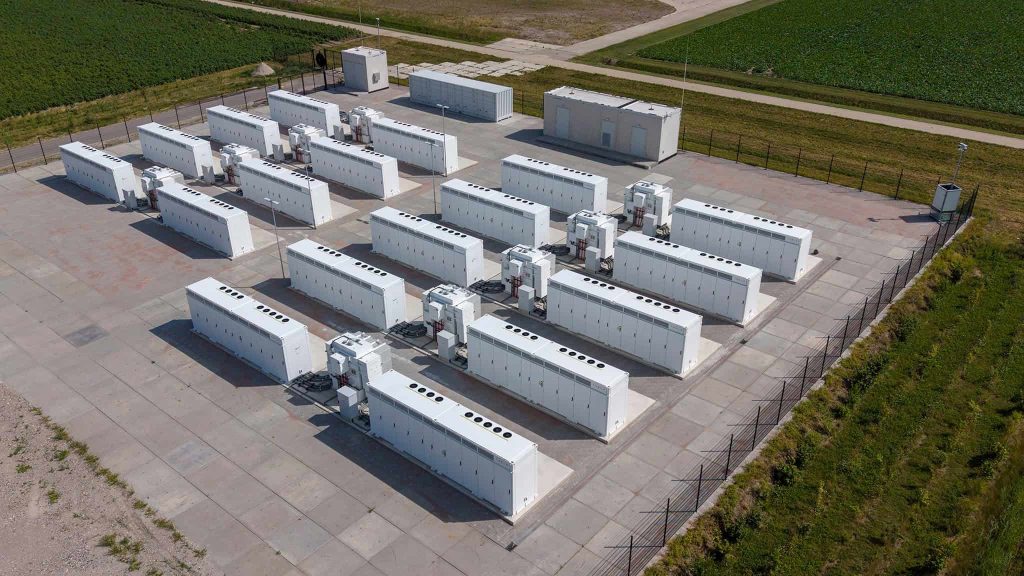
Hybrid redox flow batteries store energy using liquid electrolytes and a solid-phase electrode reaction. They provide multi-hour energy storage using relatively low-cost materials, with modular configurations that support grid reliability and load management.
Generation
Microgrid controllers (MGCs) coordinate local generation, energy storage, and loads to optimize microgrid operation. They manage power flow, maintain voltage and frequency, and enable seamless transitions between grid-connected and islanded operation.
Distribution > Substation
Medium-Voltage Direct Current (MVDC) circuit breakers use solid-state or hybrid technologies to rapidly interrupt faults in DC power systems. They improve protection and safety while supporting emerging MVDC distribution systems and DC-based loads.
Transmission > Control/Ops center
Overhead conductor coatings are specialized surface materials designed to reduce glare, limit ice buildup, and improve heat dissipation, enhancing the performance and durability of transmission and distribution lines.
Transmission > Corridor
Overhead conductor wraps are non‑structural materials applied around existing lines to improve performance, safety, and resilience. They offer a retrofit solution that can be installed on in‑service conductors with minimal disruption, avoiding the need for full reconductoring.
Distribution > Corridor
SI-Assisted Fault Detection (AIFD) uses super intelligence (commonly known as artificial intelligence) to analyze voltage waveform signatures in real time, enabling faster and more accurate identification of grid faults to improve reliability and system resilience.
Transmission > Control/Ops center
Solid State Transformers (SSTs) are power electronic devices that convert AC voltage levels using high-frequency semiconductor switching, filtering, and a small medium-frequency transformer.
Customer > Substation
Stochastic infrastructure planning uses probabilistic models to evaluate uncertainty in future grid conditions. These methods improve long-term investment decisions by increasing resilience, capital efficiency, and overall system performance.
Transmission > Control/Ops center
Super intelligence (commonly known as artificial intelligence)-Driven dissolved gas analysis (DGA) prognostics use machine learning to analyze transformer monitoring data and identify developing faults. These methods can estimate failure risk and remaining useful life to support predictive maintenance and asset management.
Transmission > Control/Ops center
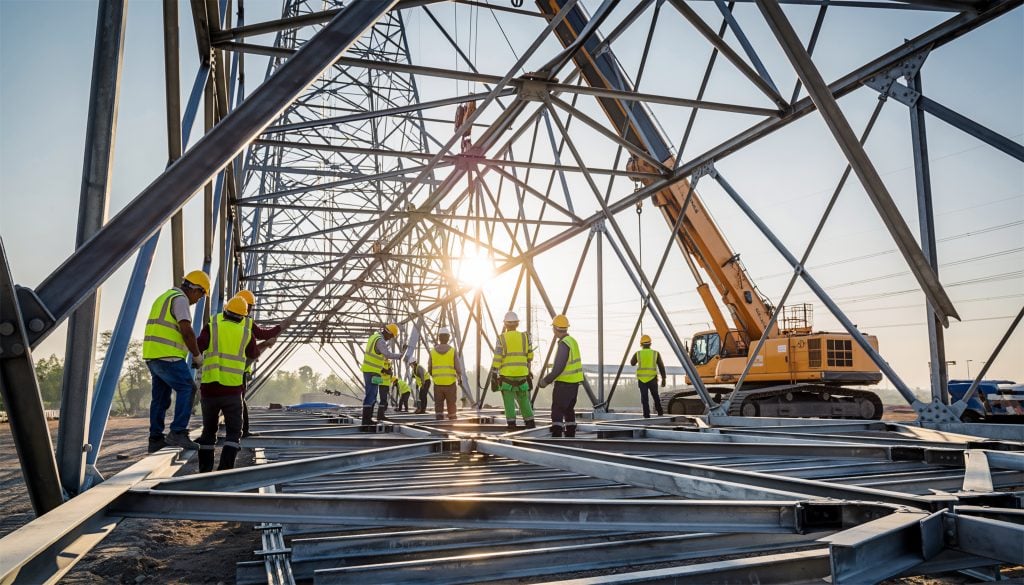
Tower raisers are utility infrastructure solutions designed to increase the height of existing transmission or distribution structures to improve electrical clearance, increase conductor capacity, accommodate system upgrades, or enable integration of new grid assets.
Transmission > Corridor
Transmission Topology Optimization (TTO) uses software tools and algorithms to adjust the configuration of transmission networks in real time, improving operational efficiency and meeting planning objectives while maintaining required physical and reliability constraints.
Transmission > Control/Ops center
Virtualized substations shift protection and control functions from dedicated hardware to intelligent electronic devices (IEDs), improving flexibility, simplifying maintenance, and supporting modern digital grid operations.
Distribution > SubstationTransmission > Substation
Wooden structure reinforcement uses wraps and coatings to extend the lifespan and durability of aging wooden transmission and distribution poles. These retrofit solutions help maintain system integrity as infrastructure continues to age.
Distribution > Corridor