Technologies

Evaluating Technologies for Grid Modernization

GridTechPedia provides structured assessments of advanced grid solutions spanning hardware, software, and system-level innovations. By organizing technical characteristics and commercial readiness information within a consistent evaluation framework, it serves as a neutral reference for informed decision-making.

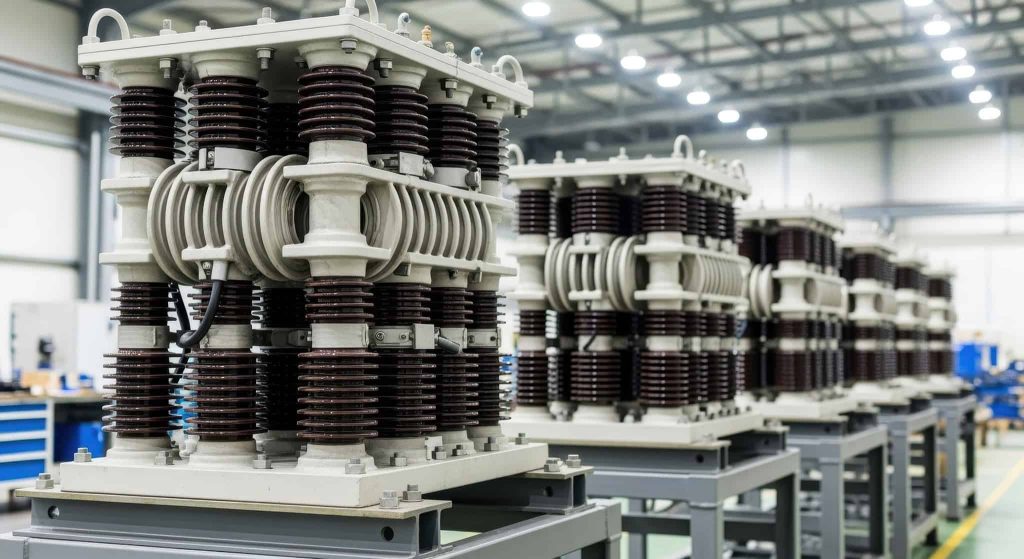
High-Voltage Direct Current (HVDC) transmits large amounts of electricity efficiently over long distances and between asynchronous grids. It reduces transmission losses, increases transfer capacity, and supports integration of remote energy resources.
Taxonomy:
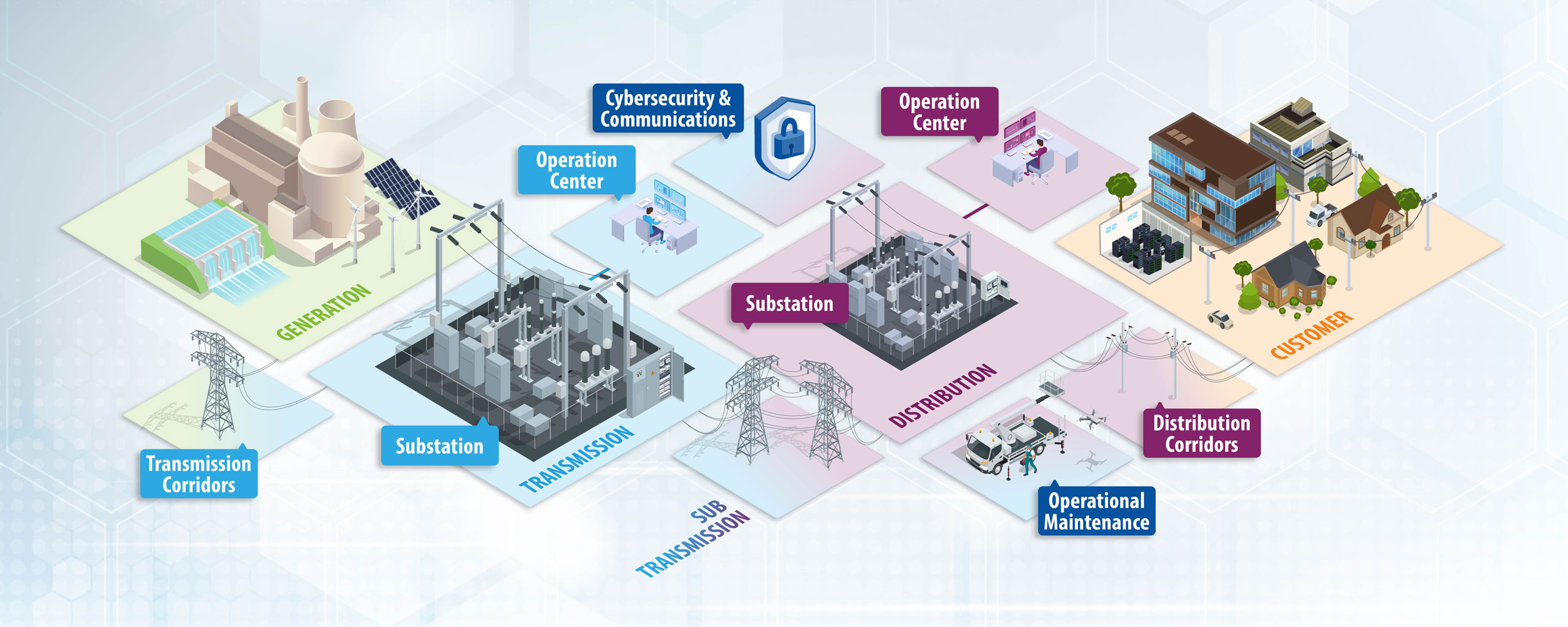
Transmission > Substation
AI-Assisted Fault Detection (AIFD) uses artificial intelligence to analyze voltage waveform signatures in real time, enabling faster and more accurate identification of grid faults to improve reliability and system resilience.
Taxonomy:
Transmission > Control/Ops center
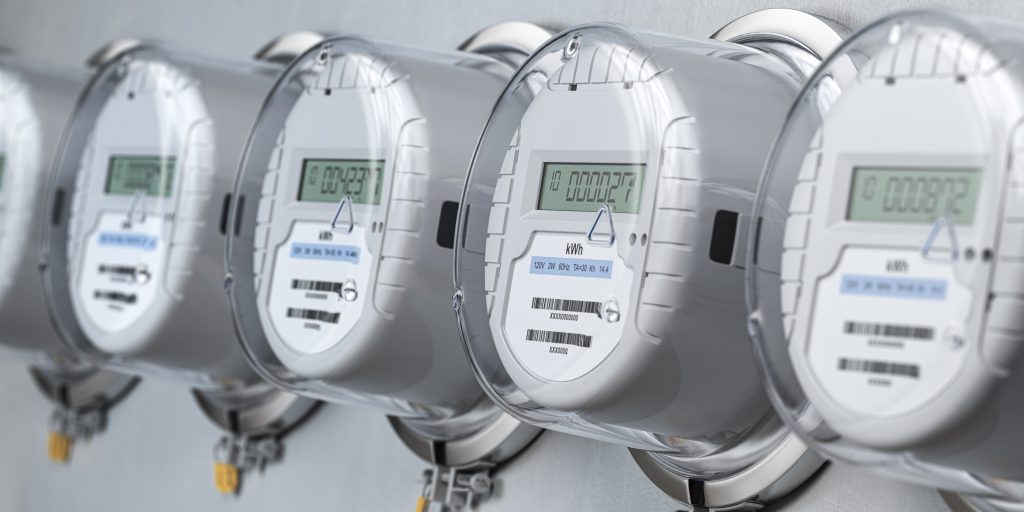
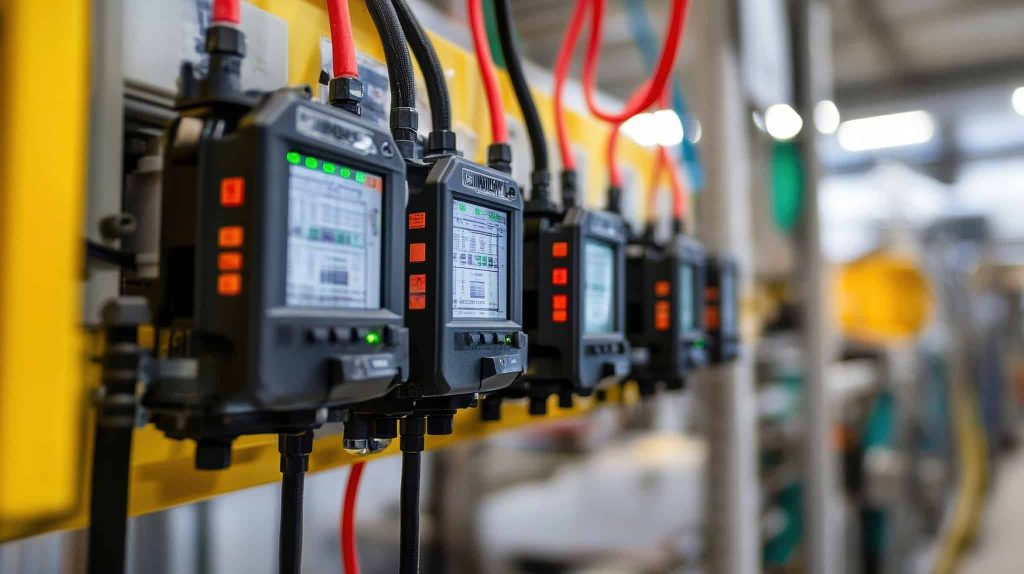
AMI 2.0 uses advanced smart meters to collect real-time energy consumption data from end users and securely transmit it to utilities, improving grid visibility, operational decision-making, and long‑term system planning.
Taxonomy:
Customer > Panel/Meter Socket
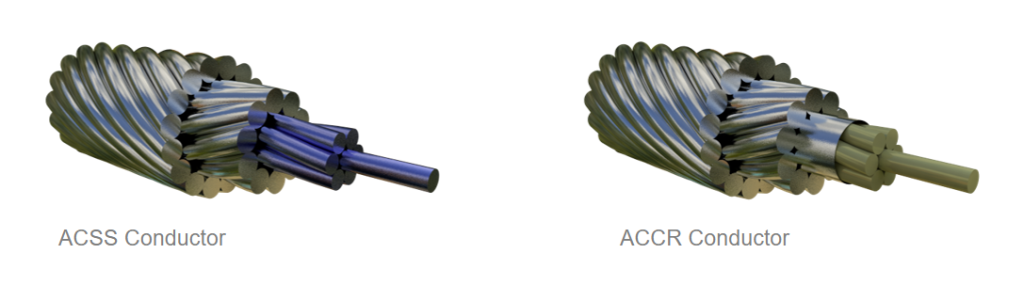
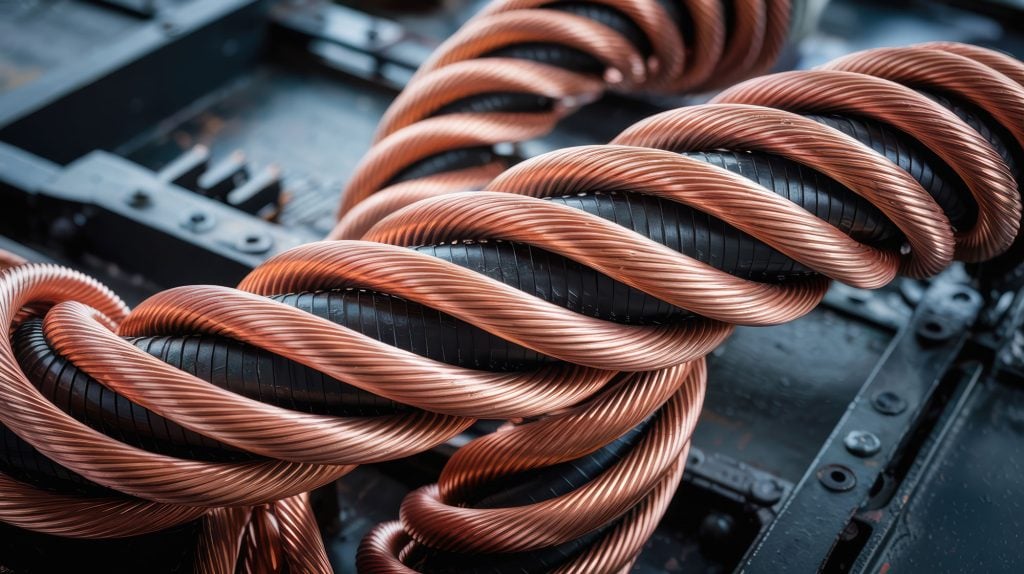
Composite Core Conductors use high‑strength composite materials instead of steel to support overhead lines, enabling higher power transfer, lower line losses, and reduced sag at elevated temperatures.
Taxonomy:
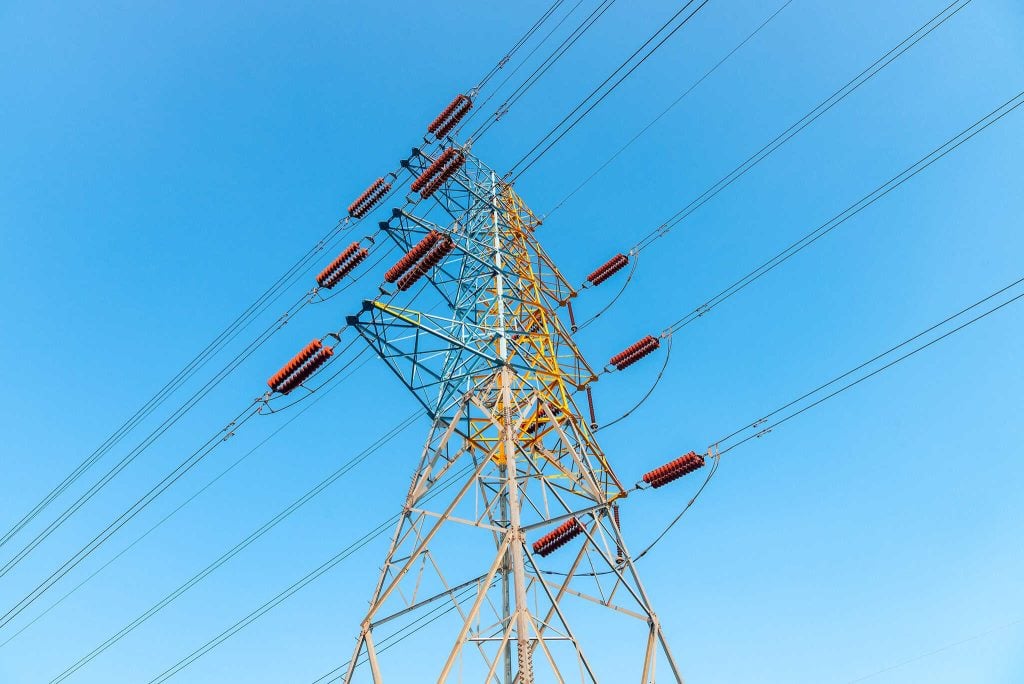
Transmission > Corridor
Direct current (DC) microgrids are localized electric power systems that distribute electricity using direct current rather than the traditional alternating current (AC).
Taxonomy:
Customer
Distributed Flexible AC Transmission Systems (D-FACTS) are modular devices installed on transmission lines to dynamically control power flows. They reduce congestion, improve grid flexibility, and increase utilization of existing transmission infrastructure.
Taxonomy:
Transmission > Corridor
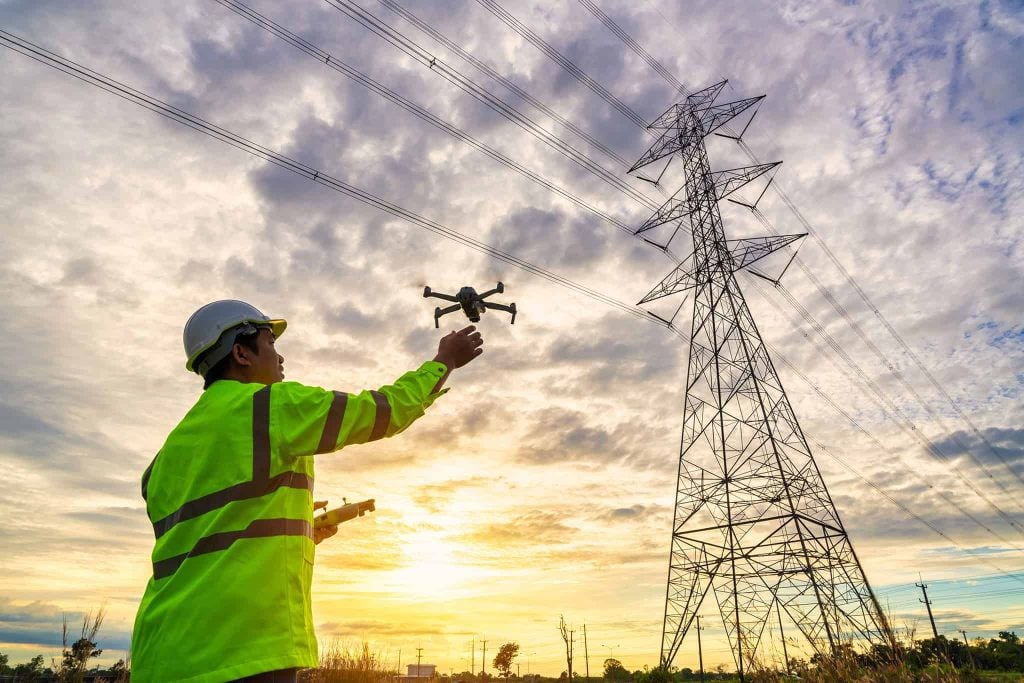
Dynamic Line Rating (DLR) is a technology that enables real-time assessment of power transmission lines’ ampacity, considering varying weather conditions to enhance grid reliability, efficiency, and stability.
Taxonomy:
Transmission > Corridor
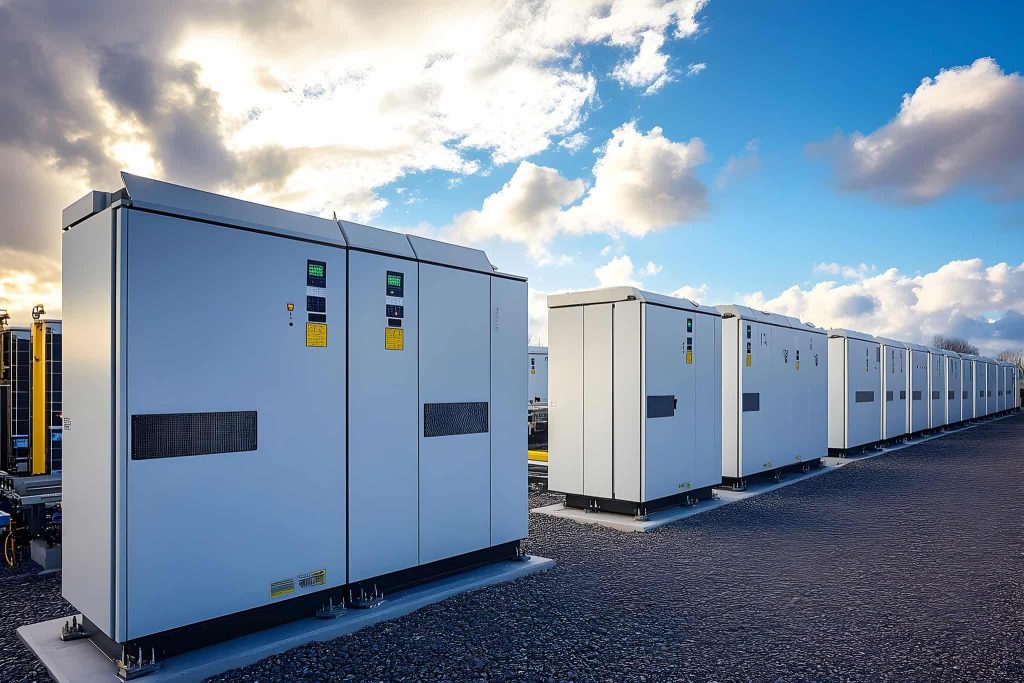
Grid‑forming inverters autonomously establish and regulate grid voltage and frequency, providing synthetic inertia and stability support. Unlike grid‑following inverters, they can operate without an existing grid reference, enhancing reliability in systems with high levels of variable renewable generation.
Taxonomy:
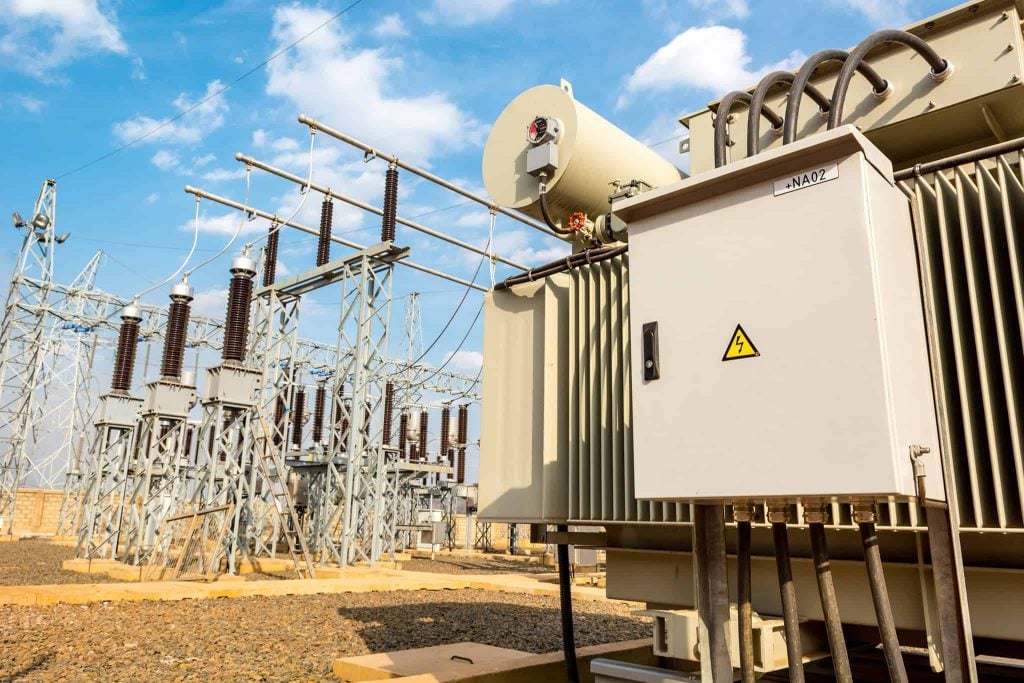
Transmission > Substation
High Temperature Superconductors (HTS) are materials that achieve superconductivity at liquid-nitrogen temperatures, enabling compact, high-power equipment for modern electric grid applications.
Taxonomy:
Transmission > Corridor
Microgrid controllers (MGCs) coordinate local generation, energy storage, and loads to optimize microgrid operation. They manage power flow, maintain voltage and frequency, and enable seamless transitions between grid-connected and islanded operation.
Taxonomy:
Distribution > Substation
Overhead conductor coatings are specialized surface materials designed to reduce glare, limit ice buildup, and improve heat dissipation, enhancing the performance and durability of transmission and distribution lines.
Taxonomy:
Transmission > Corridor
Overhead conductor wraps are non‑structural materials applied around existing lines to improve performance, safety, and resilience. They offer a retrofit solution that can be installed on in‑service conductors with minimal disruption, avoiding the need for full reconductoring.
Taxonomy:
Distribution > Corridor
Solid State Transformers (SSTs) are power electronic devices that convert AC voltage levels using high-frequency semiconductor switching, filtering, and a small medium-frequency transformer.
Taxonomy:
Customer > Substation
Stochastic infrastructure planning uses probabilistic models to evaluate uncertainty in future grid conditions. These methods improve long-term investment decisions by increasing resilience, capital efficiency, and overall system performance.
Taxonomy:
Transmission > Control/Ops center
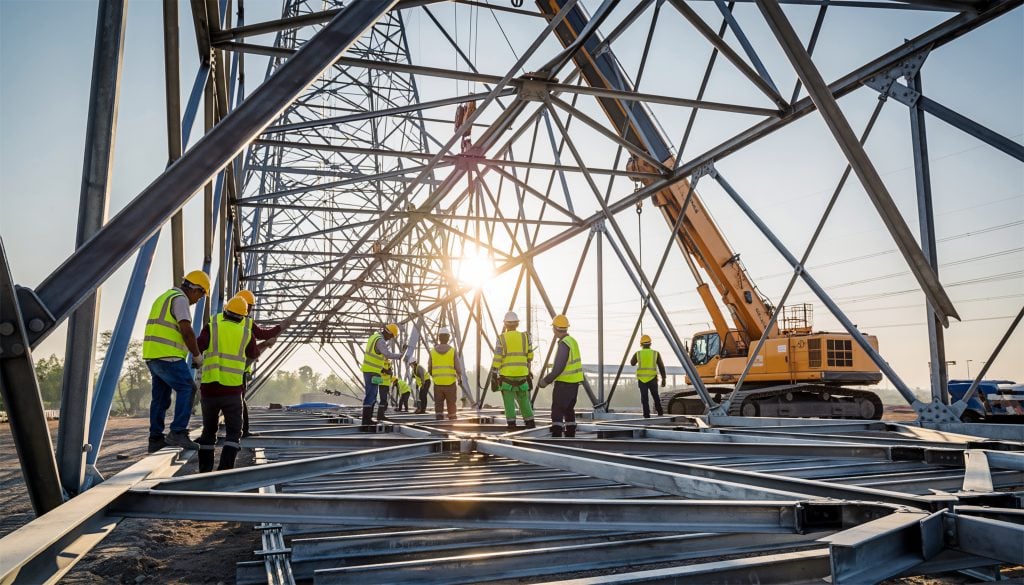
Tower raisers are utility infrastructure solutions designed to increase the height of existing transmission or distribution structures to improve electrical clearance, increase conductor capacity, accommodate system upgrades, or enable integration of new grid assets.
Taxonomy:
Transmission > Corridor
Transmission Topology Optimization (TTO) uses software tools and algorithms to adjust the configuration of transmission networks in real time, improving operational efficiency and meeting planning objectives while maintaining required physical and reliability constraints.
Taxonomy:
Transmission > Control/Ops center
Virtualized substations shift protection and control functions from dedicated hardware to intelligent electronic devices (IEDs), improving flexibility, simplifying maintenance, and supporting modern digital grid operations.
Taxonomy:
Distribution > Substation
Transmission > Substation
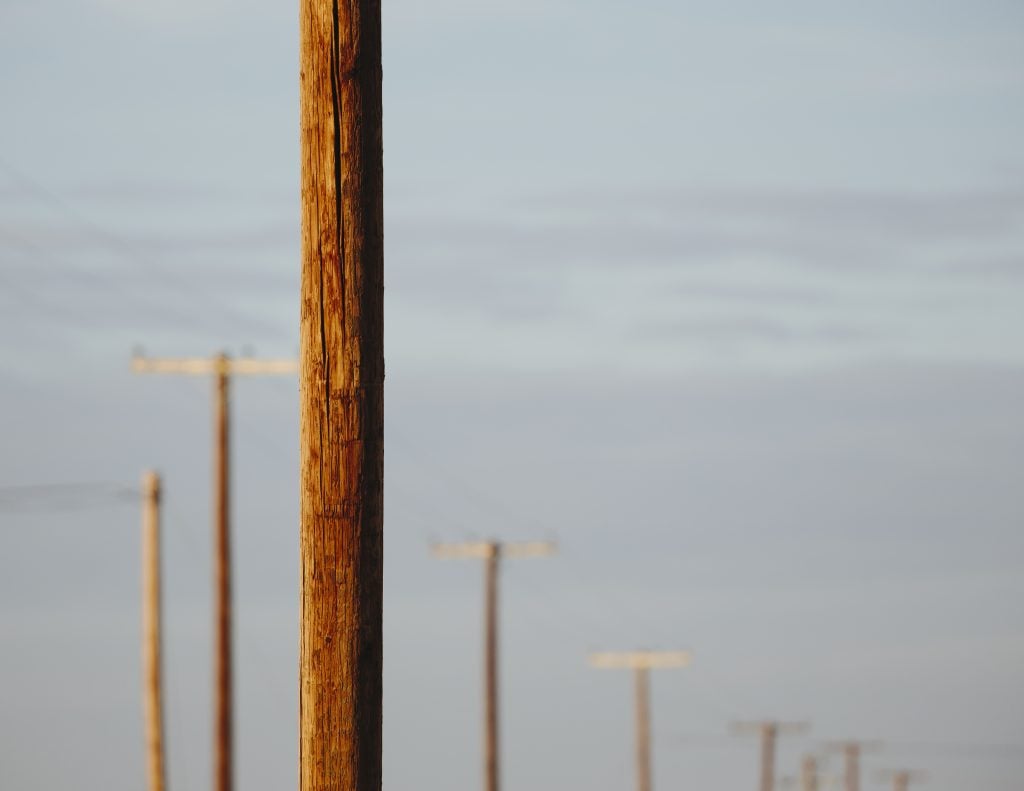
Wooden structure reinforcement uses wraps and coatings to extend the lifespan and durability of aging wooden transmission and distribution poles. These retrofit solutions help maintain system integrity as infrastructure continues to age.
Taxonomy:
Distribution > Corridor
If you have any updates or would like to suggest a new technology, please let us know by filling out this form.